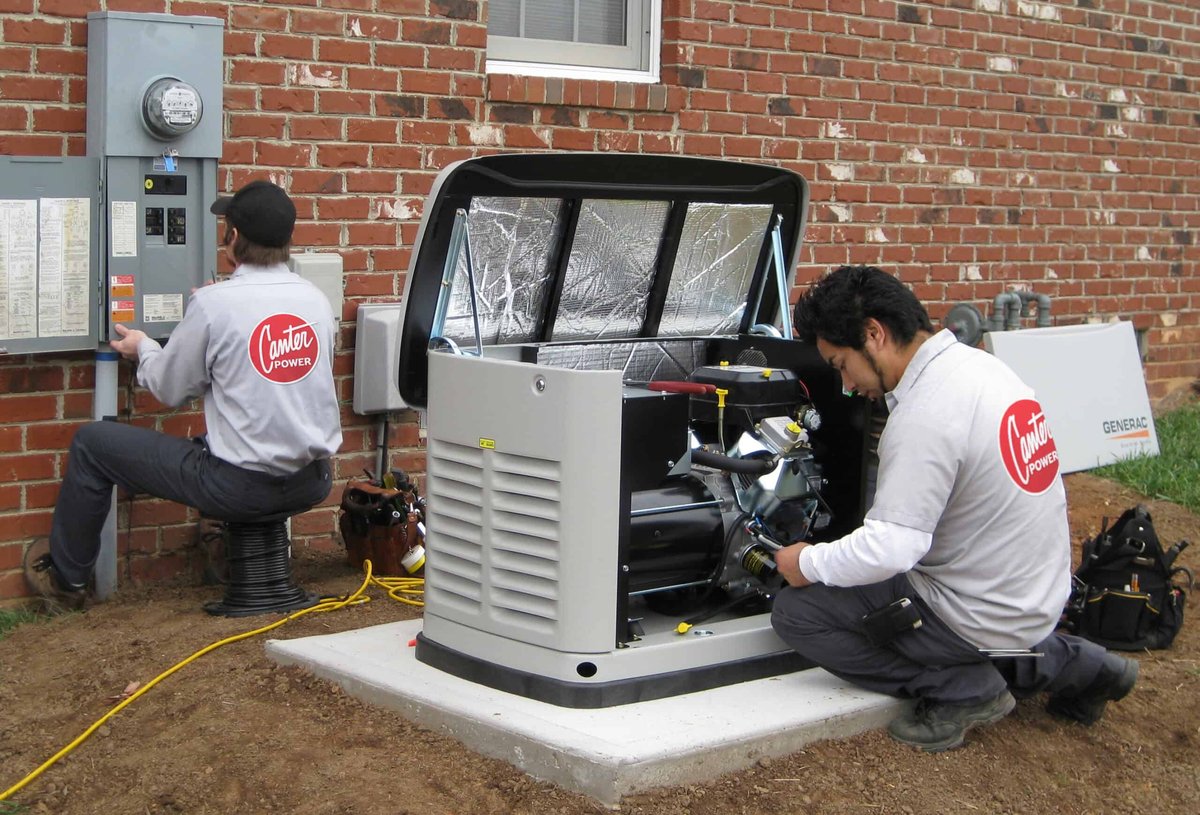
Imagine the next time a storm rolls through, knocking out power across your neighborhood. While your neighbors fumble for flashlights and brace for a cold night, your home hums along, lights on, fridge chilling, Wi-Fi streaming. This isn't a fantasy; it's the reality offered by a professionally installed standby generator, and Home Depot Generator Installation & Services is leading the charge in making that peace of mind accessible.
For homeowners, the thought of a prolonged power outage can be a source of significant stress. Food spoilage, frozen pipes, health device failures, or simply enduring discomfort in the dark—these are all concerns that a reliable home backup generator eliminates. Home Depot simplifies this complex process, connecting you with trusted local experts who manage everything from initial consultation to final testing.
At a Glance: Your Home Depot Generator Journey
- Effortless Process: Start with a free consultation, get expert recommendations, and enjoy full-service installation.
- Trusted Professionals: Connects you with local, licensed, insured, and background-screened service providers.
- Automatic Peace of Mind: Standby generators automatically sense power outages and kick in, keeping your home running seamlessly.
- Top Brands: Access leading generator brands like Generac, Kohler, and Briggs & Stratton.
- Flexible Financing: Options available, including no/low-interest plans and extended financing up to 180 months.
- Customized Solutions: Get recommendations tailored to your home's setup, budget, and power needs.
Why a Standby Generator? Beyond Just Convenience
A standby generator isn't just about avoiding a dark house; it's about safeguarding your home's essential functions and maintaining your family's comfort and safety. Unlike portable generators that require manual setup, fueling, and extension cords, a standby generator is a permanent fixture, wired directly into your home's electrical system.
When the grid goes down, an automatic transfer switch (ATS) detects the power loss and signals the generator to start. Within seconds, your generator is supplying power to your designated circuits. When utility power returns, the ATS seamlessly switches your home back to grid power and shuts the generator down. You might not even notice a flicker. This automation is crucial for critical systems like sumps pumps, medical equipment, and security systems, ensuring uninterrupted operation even when you're not home.
The Home Depot Advantage: Why Choose Their Service?
Navigating the world of home generators—from sizing to installation—can feel daunting. Home Depot steps in as a trusted facilitator, simplifying the entire journey. They don't just sell you a box; they provide a comprehensive service designed for convenience, reliability, and peace of mind.
- Vetted Local Experts: Home Depot partners only with local, licensed, insured, and background-screened Service Providers. This rigorous vetting process means you're working with professionals who meet high standards for expertise and customer service, ensuring your installation is done right and safely.
- Comprehensive Project Management: From your initial inquiry to the final system test, Home Depot's network manages all aspects of your generator installation. This includes coordinating with local authorities for permits, handling electrical and gas line connections, and ensuring compliance with all building codes.
- Access to Leading Brands: Home Depot offers a curated selection of industry-leading generator brands. This means you have options to choose from reliable manufacturers known for their quality and performance. If you're ready to start exploring, you can Explore Home Depot's generators to see the range of options available.
- Financing Options: Investing in a whole-home generator is a significant decision. Home Depot understands this and offers flexible financing solutions to make it more manageable for your budget.
Your Path to Power: The 3-Step Installation Process
Home Depot has streamlined the generator installation process into three clear, easy-to-understand steps, removing much of the guesswork and hassle for you.
Step 1: The Free Consultation
Your journey begins with a simple expression of interest. You can request a free consultation through Home Depot's website or by visiting a store. Once you do, Home Depot will connect you with a local, authorized service provider in your area. This initial contact is primarily to understand your basic needs and schedule your in-home consultation.
Think of it as the first conversation with a trusted advisor. You'll briefly discuss your home's unique setup, any immediate concerns you have about power outages, and what your general budget might look like. This information helps the service provider prepare for a more detailed site visit.
Step 2: Expert Recommendations & Site Inspection
This is where the detailed planning happens. The authorized service provider will conduct a free in-home consultation and site inspection. This isn't just a quick look around; it's a thorough assessment that involves:
- Understanding Your Power Needs: The provider will discuss which appliances and systems you want to power during an outage—whether it's just essentials like lights and refrigeration, or your entire home, including air conditioning and heating.
- Assessing Your Home's Electrical System: They'll inspect your electrical panel, existing wiring, and utility connections to determine the best integration points for the generator and automatic transfer switch.
- Evaluating Your Property: They'll look at potential generator placement, considering local codes for setbacks from property lines and windows, as well as accessibility for fuel lines (natural gas or propane), exhaust, and maintenance.
- Fuel Source Analysis: They'll assess your natural gas supply or discuss options for a propane tank installation, ensuring your chosen fuel source can adequately support the generator's demands.
- Providing a Final Quote: Based on this comprehensive assessment, they'll provide you with a detailed, final quote that outlines the recommended generator size, brand, and all associated installation costs, including permits, electrical work, and fuel line extensions. This quote is transparent, with no hidden fees.
This step is critical for ensuring the generator is correctly sized and safely installed, guaranteeing it meets both your needs and local regulations.
Step 3: Seamless Full-Service Installation
Once you approve the quote and select your generator, the service provider will schedule the installation. This is a full-service process, meaning the professionals handle everything from start to finish:
- Permit Acquisition: The service provider will manage the process of obtaining all necessary permits from your local municipality. This can be a complex and time-consuming task, so having an expert handle it is a significant benefit.
- Site Preparation: This might involve pouring a concrete pad for the generator, running new electrical conduits, and extending gas lines.
- Generator Placement & Hookup: The generator unit will be placed in its designated location, secured, and connected to your home's electrical system via the automatic transfer switch. Fuel lines will be safely run and connected.
- System Testing & Inspection: After installation, the generator will be thoroughly tested to ensure it operates correctly, switches on and off automatically, and seamlessly powers your home. All connections will be inspected for safety and code compliance.
- Customer Orientation: The installers will walk you through the basic operation, maintenance schedule, and answer any questions you have, ensuring you're comfortable with your new system.
Typically, the physical installation and initial testing process can be completed in one day, though the overall project timeline, including permitting, might extend over several weeks.
Decoding the Cost: What Influences Generator Installation Pricing?
It's natural to wonder about the investment required for a standby generator. The truth is, there's no single price tag; the cost of a Home Depot generator installation varies significantly based on several key factors:
- Generator Size (Wattage): This is perhaps the biggest driver. Larger generators, capable of powering more of your home or higher-demand appliances (like central AC), cost more to purchase and often require more complex electrical and fuel line work.
- Generator Brand: Premium brands known for advanced features, quieter operation, or extended warranties may come at a higher price point than others. Home Depot offers a range of brands to fit different budgets and needs.
- Home Circumstances:
- Existing Infrastructure: Do you have natural gas readily available, or will a new propane tank and lines need to be installed? How far is the ideal generator location from your electrical panel and fuel source? Longer runs for electrical and gas lines increase material and labor costs.
- Electrical Panel Capacity: If your existing electrical panel needs an upgrade to safely accommodate the generator's load and automatic transfer switch, that will add to the overall cost.
- Permitting Fees: These vary by municipality and are usually included in the final quote provided by the service provider.
- Site Preparation: Does the ground need to be leveled, or a concrete pad poured? These tasks contribute to the labor costs.
While an exact figure requires a professional assessment, a full-home standby generator installation can range from several thousand dollars to well over ten thousand, depending on these variables. The initial free consultation and site inspection are crucial for getting an accurate, personalized quote.
Choosing Your Champion: Popular Generator Brands at Home Depot
Home Depot partners with some of the most respected names in the generator industry, ensuring you have access to reliable and high-quality equipment. When you explore options for home backup power, you'll likely encounter:
- Generac: A market leader, Generac is often synonymous with home standby power. Their Guardian Series is particularly popular, known for its wide range of sizes and robust performance.
- Kohler: Kohler generators are well-regarded for their industrial-grade engines, quiet operation, and strong reputation for durability.
- Briggs & Stratton: A familiar name in outdoor power equipment, Briggs & Stratton offers reliable and often more budget-friendly standby generator options.
- Protector: (Often refers to specialized lines or specific models, or could be less common in some regions, but generally indicates a focus on durability and protection).
A Closer Look: Generac Generators
Generac generators, particularly the Guardian Series, are a cornerstone of Home Depot's offerings. They range significantly in wattage, from 7,500 watts for essential circuit coverage up to 65,000 watts for very large homes or commercial applications.
Key features often found in Generac units include:
- Automatic Transfer Switches (ATS): All standby generators from Generac integrate seamlessly with an ATS, ensuring that instant, hands-free power transition we discussed earlier.
- OHVI Engines: Generac's proprietary Overhead Valve Industrial (OHVI) engines are specifically designed for the demanding, long-run operation required of a home standby generator. They are built for reliability and longevity.
- Dual Fuel Options: Many Generac models support dual fuel, meaning they can run on either natural gas or liquid propane (LP). This flexibility is a major advantage, allowing you to choose the most convenient and cost-effective fuel source for your home.
When considering a Generac, or any brand, it’s highly recommended to look at the specific features that align with your priorities, whether that's quiet operation, remote monitoring, or specific cold-weather performance.
Powering Your Priorities: How to Determine Your Generator Wattage Needs
Choosing the right generator size is paramount. Too small, and you won't power everything you need; too large, and you're overspending on equipment and fuel. The golden rule is simple: choose a generator with wattage exceeding the combined wattage of all appliances and fixtures you intend for use during an outage.
Here’s a practical approach:
- List Your Essentials: Go room by room and list every appliance or system you absolutely cannot live without during an outage. This might include:
- Refrigerator/Freezer
- Sump Pump
- Well Pump
- Furnace Fan (for heating)
- Lights (key rooms)
- Medical Equipment
- Water Heater (if electric)
- Television/Internet Router (for communication/entertainment)
- Small kitchen appliances (microwave, coffee maker)
- Find the Wattage: Look for the wattage (W) listed on the nameplate or in the owner's manual for each item. Remember, some appliances (especially those with motors) have a higher starting wattage (surge) than running wattage. Your generator needs to handle the surge.
- Example: A refrigerator might run at 800W but surge to 2200W when the compressor kicks on. A 2-ton central AC unit can easily require 4000W running and 10,000W+ surge.
- Sum It Up: Add up the running wattages of all your essential items. Then, identify the single largest starting wattage among your list and add that to your total running wattage. This gives you a good estimate of your minimum generator requirement.
- Add a Buffer: Always factor in a 10-20% buffer. This accounts for unforeseen needs, minor discrepancies, and ensures your generator isn't constantly running at its maximum capacity, which can extend its lifespan.
- Consult the Experts: This calculation provides a strong starting point, but a Home Depot service provider will perform a professional load calculation during your site inspection. They have specialized tools and knowledge to accurately assess your home's unique demands and recommend the precise wattage required, often recommending specific generators like the Generac Guardian Series that fit the bill.
Don't guess on wattage; an accurate assessment ensures your investment delivers the power you expect.
Investing in Peace of Mind: Home Depot's Flexible Financing Options
A whole-home standby generator is a significant investment in your family's safety and comfort. Home Depot makes this investment more accessible through a variety of financing options:
- No and Low-Interest Plans: Specific promotional offers may be available, allowing you to pay for your generator over time without incurring high interest.
- 12 Months Special Financing on a Home Depot Consumer Credit Card: For qualified purchases, this can provide a full year to pay off your generator without interest, provided the balance is paid in full before the promotional period ends.
- Up to 180 Months Financing: For those seeking longer-term payment solutions, Home Depot offers extended financing plans, allowing you to spread the cost over many years, making the monthly payments more manageable.
These options help homeowners acquire the necessary backup power without putting a strain on immediate finances. Always check with Home Depot or your service provider for the most current financing offers and eligibility requirements.
Beyond Installation: What to Expect from a Home Depot Service Provider
When you choose Home Depot for generator installation, you're not just getting a contractor; you're getting a commitment to quality and professionalism. The service providers selected by Home Depot are held to high standards:
- Local and Authorized: They are familiar with local building codes, weather patterns, and utility requirements specific to your area.
- Licensed and Insured: This protects you against any liabilities during the installation process and ensures the work meets professional standards.
- Background-Screened: For your peace of mind, all technicians entering your home undergo thorough background checks.
- Commitment to Customer Service: Home Depot emphasizes positive customer experiences. This means responsive communication, clear explanations, and a dedication to ensuring your satisfaction with the completed project.
This stringent selection process gives you confidence that your generator will be installed correctly, safely, and efficiently.
Common Questions About Home Depot Generator Installation
Getting a standby generator often brings up a host of questions. Here are some of the most frequent inquiries and their straightforward answers:
How long does the actual installation take?
Typically, the physical installation of the generator unit and its connection to your home's electrical and fuel systems is completed within one day. However, the overall project timeline, including securing permits and scheduling, can range from a few weeks to a couple of months, depending on local regulations and the service provider's schedule.
Does the service provider handle permits?
Yes, your Home Depot authorized service provider will manage all necessary permit applications and inspections with your local municipality. This is a crucial part of the full-service installation and ensures your generator is installed safely and legally.
Can I install the generator myself?
While some very small portable generators can be self-installed, a whole-home standby generator installation is a complex project involving electrical wiring, natural gas or propane line connections, and adherence to strict safety codes. For these reasons, DIY installation is strongly discouraged and could void warranties, lead to unsafe conditions, or result in code violations. Professional installation ensures safety and compliance.
What's the difference between a portable and a standby generator?
A portable generator is manually operated, requires fueling (usually gasoline), and provides power via extension cords. It's good for temporary, limited power to specific devices. A standby generator is permanently installed, automatically turns on and off, runs on natural gas or propane, and powers your home directly through an automatic transfer switch, providing seamless, whole-home (or essential circuit) backup without any manual intervention.
Do I need a concrete pad for the generator?
In most cases, yes. Standby generators are heavy and require a stable, level surface. Your service provider will often pour a concrete pad or install a pre-fabricated composite pad to ensure the generator is properly supported and operates efficiently.
What kind of maintenance does a standby generator need?
Like a car, standby generators require periodic maintenance. This typically includes oil changes, filter replacements, and system checks. Your service provider can discuss maintenance plans or recommend annual servicing to ensure your generator is always ready to perform.
Ready to Secure Your Power? Your Next Steps
Embracing the security of a standby generator is a wise decision for any homeowner. Home Depot’s comprehensive installation services offer a clear, supported path to achieving reliable home power backup.
If the thought of another power outage fills you with dread, it's time to take action. Your next step is straightforward: request a free consultation through Home Depot. This no-obligation first step will connect you with a local expert who can assess your specific needs, answer all your questions, and provide a detailed quote tailored to your home.
Don't wait for the next storm to realize the value of uninterrupted power. Start your journey toward seamless home power backup today.