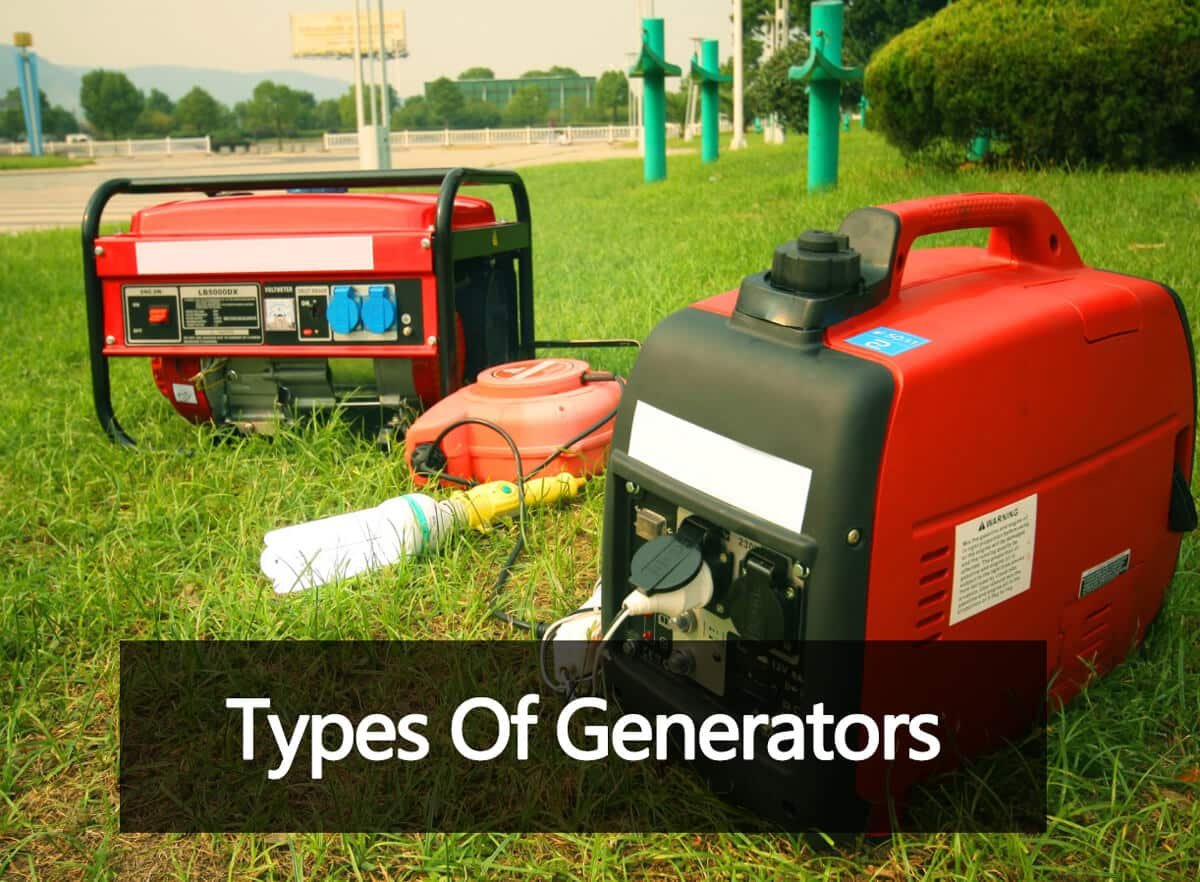
When the lights go out, or you're far from the grid, a generator isn't just a convenience – it's often a necessity. But with so many different types of generators & their uses, how do you choose the right one? Whether you're safeguarding your home from unexpected outages, powering a remote construction site, or simply making sure your camping trip has all the comforts of home, understanding the core differences between these powerhouses is crucial.
This guide will demystify the world of generators, helping you navigate the options so you can confidently pick the perfect match for your specific power needs. We'll explore everything from silent, sensitive-electronics-friendly inverter models to robust industrial behemoths, and break down the pros and cons of various fuel sources.
At a Glance: Key Takeaways for Choosing Your Generator
- Need automatic backup for your whole home? Look into Standby Generators.
- Require portable power for tools or camping? Consider Portable Generators.
- Powering sensitive electronics? Inverter Generators offer clean, stable electricity.
- Large-scale industrial power? Industrial Generators are built for the job.
- Fuel matters: Evaluate availability, cost, emissions, and storage for gasoline, diesel, natural gas, propane, solar, or hydrogen options.
- Always prioritize safety: Never run generators indoors and ensure professional installation.
The Heart of the Matter: How Generators Produce Power
At its core, a generator is an ingenious device that converts mechanical energy into electricity. Imagine an engine (often powered by fuel) driving a spinning component called a rotor. As this rotor spins past stationary magnets or coils, it triggers a fundamental principle called electromagnetic induction, coaxing an electrical current into existence.
The key components in most generators include:
- The Engine: The power source that burns fuel to create mechanical energy.
- The Alternator: This is where the magic of converting mechanical energy into electrical current happens.
- The Fuel System: Stores and delivers fuel to the engine.
- The Voltage Regulator: Ensures the output electricity is stable and safe for your devices.
- The Control Panel: Your interface for monitoring and operating the generator.
Understanding this basic mechanism sets the stage for appreciating the nuances between different generator types.
Unpacking the Main Generator Types by Design & Application
Generators aren't one-size-fits-all. They're designed with specific applications in mind, influencing their size, features, and cost.
1. The Always-On Assurance: Standby Generators
These are the unsung heroes of uninterrupted power. Permanently installed outside your home or business, often resembling a large air conditioning unit, standby generators are connected directly to your electrical system. When the grid falters, they automatically sense the outage and kick into action within seconds, providing seamless power to your entire property or critical circuits. They typically run on natural gas or propane, eliminating the need for manual refueling.
- Best for: Homeowners in areas with frequent power outages, businesses needing critical uptime, or anyone unwilling to tolerate even a moment of darkness.
- Pros: Automatic operation, no downtime, powers entire property, runs on readily available natural gas or easily stored propane.
- Cons: Significant upfront investment, professional installation required, ongoing maintenance costs, large footprint.
2. Power on the Go: Portable Generators
If versatility and mobility are your top priorities, a portable generator is likely what you need. These compact, fuel-powered devices are designed to be moved wherever power is required. Typically running on gasoline, they range widely in output, from small units perfect for charging phones to larger ones capable of running a few essential home appliances.
- Best for: Camping, tailgating, powering tools on a job site, small emergency backup needs, or providing temporary power for outdoor events.
- Pros: Mobile and flexible, relatively affordable upfront, simple to operate.
- Cons: Requires manual startup, can be noisy, fuel (gasoline) can be expensive and difficult to store safely, not suitable for sensitive electronics (unless it's an inverter type).
3. The Smart & Silent Performer: Inverter Generators
Imagine a portable generator that's quieter, more fuel-efficient, and produces incredibly clean power. That's an inverter generator. Unlike traditional portable models, inverters first convert AC power to DC, then "invert" it back to clean AC power. This multi-step process results in a purer sine wave, making them ideal for sensitive electronics like laptops, smartphones, and medical equipment. They also adjust engine speed to match demand, saving fuel and reducing noise.
- Best for: Charging sensitive electronics, recreational use (RVing, boating, camping), or providing quiet, fuel-efficient power where noise is a concern.
- Pros: Clean and stable power (safe for electronics), quiet operation, excellent fuel efficiency, often lighter than traditional portable generators.
- Cons: Typically more expensive than conventional portable generators, generally lower power output compared to similarly sized conventional generators.
- Learn more about understanding inverter technology and how it can benefit your power needs.
4. The Workhorses: Industrial Generators
When you need serious, heavy-duty power, industrial generators step up to the plate. These are massive, durable machines designed for continuous operation and harsh conditions. They can produce up to 2 megawatts of power – enough to run entire factories, chemical plants, or oil well sites. Often diesel-powered, they are built to last and can be transported by crane or forklift for deployment.
- Best for: Powering large industrial operations, remote mining sites, major construction projects, data centers, or providing temporary power for entire communities during disaster relief.
- Pros: Extremely high power output, built for durability and continuous use, capable of withstanding harsh environments.
- Cons: Very expensive to purchase and maintain, often require specialized installation and maintenance, can be noisy and produce significant emissions.
5. The Niche Player: Induction Generators
Induction generators operate on a slightly different principle, creating electromagnetic fields to turn an internal rotor at varying speeds. While they are relatively small and easy to maintain, they typically require a large amount of mechanical energy to start and are known for producing unstable wattage output. This makes them less suitable for direct consumer use.
- Best for: Specialized applications where a large existing mechanical energy source is available, such as generating power from wind turbines or mini hydro plants.
- Pros: Simple design, low maintenance.
- Cons: Requires mechanical input to start, unstable wattage output, not ideal for standalone backup power.
Powering Your Choice: Generators by Fuel Type
The fuel a generator consumes is a critical factor, impacting everything from running costs and environmental footprint to storage and availability during an emergency.
1. Gasoline Generators
The most common fuel type for portable generators, gasoline offers initial affordability.
- Best for: Short-term projects, recreational use, or light-duty emergency backup where grid power is quickly restored. Construction sites on a budget with short-term projects.
- Pros: Readily available, generally lower upfront cost for the generator unit.
- Cons: Higher long-term fuel costs, fuel can degrade over time, highly flammable, emissions, can be unavailable during outages (gas pumps require electricity).
2. Natural Gas Generators
Often the fuel of choice for standby generators, natural gas connects directly to your home's gas line.
- Best for: Standby generators in residential or commercial settings, environmentally friendly construction teams seeking alternatives to gas or diesel.
- Pros: Unlimited fuel supply (if connected to a pipeline), lower emissions than gasoline or diesel, no need for fuel storage, quieter operation.
- Cons: Requires professional installation of a gas line connection, potential for higher installation and maintenance costs.
3. Diesel Generators (and its Eco-Variants)
Diesel generators are workhorses known for their efficiency and durability, especially in larger applications.
- Best for: Heavy-duty, long-term power needs, industrial applications, construction teams working in cold weather on long-term projects.
- Pros: Excellent fuel efficiency, durable engines, cheaper fuel than gasoline long-term, good cold-weather performance (with winter diesel).
- Cons: Higher upfront cost for the generator, louder operation, emissions, fuel accessibility issues during widespread outages.
- Biodiesel Generators: An environmentally friendlier spin on diesel, using a mixture of diesel and components like vegetable oil or animal fat.
- Best for: Environmentally conscious operations seeking a diesel alternative.
- Pros: Reduces reliance on nonrenewable fuels, lower emissions.
- Cons: Similar reliability issues as standard diesel during outages, can be more expensive or harder to source.
- Emulsified Diesel Generators: Even more environmentally friendly, these run on a mixture of diesel and water.
- Best for: Highly environmentally friendly diesel or biodiesel generator alternative.
- Pros: Significant reduction in emissions, potentially lower long-term costs.
- Cons: Can be difficult to source fuel, similar reliability issues during outages.
4. Propane Generators
Propane is a versatile fuel, often used for both portable and standby generators, known for its stability.
- Best for: Reliable standby power where natural gas isn't available, or for portable units where fuel stability and long-term storage are priorities. Those seeking a reliable standby generator who are willing to pay more in fuel costs.
- Pros: Readily available, easy to store (in tanks), excellent cold-weather performance, clean burning with lower emissions than gasoline.
- Cons: Burns about three times faster than diesel, leading to higher fuel costs, highly flammable (requires careful storage).
5. Solar Generators
These modern marvels harness the sun's energy, converting it into electricity and storing it in batteries.
- Best for: Eco-friendly construction sites needing a non-emergency power source, off-grid applications, quiet backup power, indoor use.
- Pros: Eco-friendly (zero emissions, renewable energy), silent operation, safe for indoor use, low maintenance.
- Cons: Unreliable at night or without sun exposure, high upfront cost, power output dependent on sunlight, limited capacity compared to fuel generators.
6. Hydrogen Generators
A cutting-edge option, hydrogen generators produce electricity by converting water to hydrogen gas via electrolysis, then burning the hydrogen.
- Best for: Eco-friendly construction teams looking to cut electricity costs, those needing a reliable emergency power source with minimal environmental impact.
- Pros: Extremely eco-friendly (produces only water vapor), high energy density (more energy per pound than other fuels), reliable emergency power, potential for significant long-term electricity cost savings.
- Cons: Difficult to find, very high initial cost, specialized infrastructure might be needed for fuel.
Common Uses of Generators: Beyond Just Blackouts
While emergency backup is a primary use, generators serve a multitude of purposes in our modern world.
- Emergency Backup Power: From keeping the lights on in homes during a blackout to ensuring hospitals and critical infrastructure remain operational, generators are vital for safety and continuity.
- Construction Sites: Powering drills, saws, lighting, and other essential equipment where grid electricity is often nonexistent.
- Outdoor Events: Supplying electricity for concerts, festivals, weddings, and sporting events, running sound systems, lighting, food trucks, and more.
- Remote Locations: Enabling off-grid living in cabins, powering agricultural operations on farms, or providing comfort for RVers and campers.
- Business Continuity: Preventing financial losses, data corruption, and operational downtime for businesses of all sizes during power failures.
The Undeniable Benefits of Having a Generator
Investing in a generator offers more than just power; it delivers peace of mind and tangible advantages.
- Enhanced Safety: Critical systems like medical devices, security alarms, and refrigeration continue to function during outages, protecting your family and property.
- Uninterrupted Convenience: Life doesn't have to stop. Your HVAC, kitchen appliances, and entertainment systems keep running.
- Property Value: A professionally installed standby generator can significantly increase the resale value and appeal of a property.
- Peace of Mind: Knowing you're prepared for any power disruption reduces stress and worry.
- Improved Efficiency & Environment: Modern generators are increasingly designed to be more fuel-efficient and quieter, minimizing environmental impact and disturbances to your surroundings.
- For a deeper dive into making an informed choice, explore the pros and cons of different fuel types for generators.
Choosing the Right Generator for Your Unique Needs
With such a diverse array of options, making the right choice hinges on a few key considerations. Thinking through these factors will help you narrow down the field and find your perfect power partner.
1. How Much Power Do You Really Need?
This is perhaps the most critical question. You'll need to calculate the total wattage of all the appliances and devices you intend to power simultaneously.
- Small Needs (1,000–3,000 watts): Lights, phone chargers, small appliances. A small portable or inverter generator could suffice.
- Mid-Range Needs (3,000–7,500 watts): Refrigerator, some lights, a TV, a few small appliances, perhaps a window AC unit. A larger portable or mid-sized inverter generator is a good fit.
- Whole-Home Needs (7,500+ watts): All major appliances, HVAC, water heater, multiple electronics. This typically points towards a standby generator or a very large portable/inverter unit.
- Don't guess! Understanding calculating your exact power requirements is crucial to avoid buying an undersized or oversized unit.
2. Where Will You Use It?
- Home Backup: Standby generators are ideal. For temporary or essential circuit backup, a large portable or inverter generator can work. Discover more about home backup power solutions to safeguard your sanctuary.
- Job Site: Durable gasoline or diesel portable/industrial generators are the go-to.
- Recreational (Camping, RV): Quiet, fuel-efficient inverter generators are preferred.
- Remote/Off-Grid: Solar, hydrogen, or efficient diesel/propane generators.
3. What's Your Fuel Strategy?
Consider the availability, cost, and storage requirements of each fuel type in your area.
- Natural Gas: Best for permanent installations with existing gas lines.
- Propane: Excellent for long-term storage and good in cold weather, but burns quickly.
- Gasoline: Widely available but less stable for long-term storage and can be expensive.
- Diesel: Efficient and powerful, but fuel can be an issue during outages.
- Solar/Hydrogen: Environmentally friendly but high upfront cost and specific operational limitations.
4. How Much Noise Can You Tolerate?
Generators can be noisy. Decibel levels vary significantly:
- Inverter Generators: Often the quietest (50-60 dB, comparable to conversation).
- Standby Generators: Generally quieter than traditional portables (60-70 dB).
- Traditional Portable/Industrial Generators: Can be very loud (70-100+ dB), requiring careful placement.
5. Budget: Upfront vs. Long-Term Costs
- Upfront Cost: Portable generators are generally the least expensive to purchase initially, followed by inverter generators. Standby and industrial generators represent a significant investment.
- Running Costs: Factor in fuel consumption, fuel price, and ongoing maintenance. While a gasoline generator might be cheap to buy, its fuel costs can add up quickly.
Essential Installation & Safety Tips: Powering Up Responsibly
Generators provide life-saving power, but they demand respect. Improper use can lead to serious hazards like carbon monoxide poisoning, electrical fires, or electrocution.
- Professional Installation is Key: For standby generators, or connecting any portable generator directly to your home's electrical system, professional expertise is non-negotiable. They ensure proper grounding, transfer switch installation, and adherence to all local electrical codes.
- Outdoor Use Only: This is paramount. Never operate a generator indoors, in a garage, basement, crawl space, or any enclosed or partially enclosed area. Generators emit carbon monoxide, an odorless, colorless gas that can be fatal.
- Adequate Ventilation: Even outdoors, ensure your generator is placed far from windows, doors, and vents to prevent exhaust fumes from entering occupied buildings. Follow manufacturer guidelines for clearance.
- Carbon Monoxide Detectors: Install battery-operated carbon monoxide detectors in your home, especially if you plan to use a generator. Check them regularly.
- Proper Fuel Storage: Store fuel in approved containers in a well-ventilated area away from living spaces and ignition sources.
- Maintain Your Machine: Regular maintenance checks – including oil changes, spark plug inspection, and air filter cleaning – are crucial for safe and reliable performance.
- Protect Against Backfeed: When connecting a portable generator, use a transfer switch to prevent "backfeed" of electricity into utility lines, which can injure utility workers.
- Dry Hands, Dry Ground: Always operate a generator with dry hands and ensure it's on a dry, level surface.
- For comprehensive guidance on staying safe, review crucial generator safety best practices.
Finding Your Perfect Power Solution
Choosing the right generator means balancing your power needs, budget, fuel preferences, and operational requirements. Whether you're preparing for the next big storm, tackling a remote project, or simply enjoying the great outdoors, there's a generator out there designed to meet your specific challenges.
Take the time to assess your situation, consult the information above, and don't hesitate to seek expert advice when needed. A well-chosen generator isn't just a purchase; it's an investment in your safety, comfort, and peace of mind.
Ready to explore your options? You can begin by browsing a wide selection of models and brands at your convenience: Shop Home Depot generators and start powering up your possibilities.